Short answer: Modern pair maps are often traced to Dr. Goiz in Mexico in the late 1980s. The method spread by seminars and later online study such as Dr. Luis Garcia’s English course—still add-on wellness, not mainstream hospital care.
Audience: Curious learners, prospective Dr. Luis Garcia students, and practitioners comparing training lineages before enrollment — not for choosing biomagnetism over medical diagnosis or emergency care.
Industry use case: Complementary wellness pair-protocol education vs licensed medical care — timeline supports informed consent, not disease-treatment claims.
Decision context: Use after you want dated timeline context and honest research limits — before citing history as clinical proof or skipping medical care.
History in plain words
This page covers history of magnet therapy guide. educational partner content only.
This page shows how magnet pair work spread over time.
Dr. Goiz in Mexico is linked to early pair maps in the 1980s.
Seminars and online class brought the method to more countries.
History explains interest. It does not prove every health claim.
Glossary-style history of magnet therapy notes on /history-of-biomagnetism-therapy link outward to deeper hubs instead of repeating every definition.
Scope guidelines for history of magnet therapy emphasize gentle. add-on wellness protocols inside legal boundaries.
YMYL reminders tied to history of biomagnetism therapy: disclaimer hub.
- Schools differ—compare training before you join.
- Read proof and safety pages after this timeline.
What is the history of biomagnetism therapy?
Definition: History of magnet therapy traces modern magnet pair maps to Dr. Isaac Goiz Durán in late-1980s Mexico, through global seminars, to clear English-language training certificate such as Dr. Luis Garcia Level 1 and 2. wellness education, not hospital standard care.
Key takeaway: Pair therapy’s modern lineage starts with Dr. Goiz in Mexico (~1988), spread via seminars and books, then evolved into online training certificate paths. history explains scope and schools, it does not prove clinic efficacy.
Who is this history guide for?
Short answer: Curious learners, prospective Dr. Luis Garcia students. and therapists comparing training lineages before sign-up. not for choosing magnet work over medical diagnosis or emergency care.
- Audience: beginners researching pair-therapy origins, training shoppers comparing Goiz-line schools, and wellness pros who need lineage context for client consent talks.
- Use case: Build Goiz-to-Garcia lineage literacy before reading /what-is-biomagnetism-therapy, comparing schools, or enrolling in Level I & II training.
- Decision context: Use after you want dated timeline context and honest research limits — before citing history as clinical proof or skipping medical care.
- Industry use case: wellness support pair-protocol education vs licensed medical care. timeline supports signed consent, not disease-treatment claims.
- When to use: You need a dated timeline, Goiz-to-Garcia lineage context, early-vs-modern practice contrasts. and honest research debate before reading /what-is-biomagnetism-therapy or enrolling.
- When not to use: Acute symptoms, red-flag screening. or proof-of-efficacy decisions. see a clinician and read /does-biomagnetism-therapy-work for evidence tiers.
Next in the cluster: what is biomagnetism therapy?, Goiz lineage deep-dive article, and certification guide.
History timeline walkthrough
This page tells how magnet pair work spread over time. History is contextΓÇönot proof of every claim.
Where the story often starts
Dr. Goiz in Mexico in the late 1980s is often named first.
He taught north and south pairs on mapped points.
Classes and books spread the method to more countries.
How it grew
Live seminars trained many early students.
Online video now reaches students worldwide.
Schools differ in maps, hours, and support.
- Lineage is interestingΓÇönot a quality guarantee.
- Compare training before you pay.
- Modern courses stress scope and referral rules.
What history does not prove
A long story does not cure disease by itself.
Read proof and safety pages after this timeline.
Keep normal medical care for serious symptoms.
Dr. Luis Garcia in the story
His English program is one well-known online path.
We link to it as a partnerΓÇönot as the only school.
Partner prices may differ from list checkout.
How to use the timeline below
Dates are for learning context.
Open the pairs guide for how sessions work today.
Open the cert guide if you want to train.
Plain recap
Dr. Goiz is often named first in Mexico.
Pair maps grew in the 1990s.
More teachers spread the work in Latin America.
More teachers spread the work in Europe.
English class grew in the 2000s.
Online video now reaches many countries.
Schools use different pair lists.
Schools use different hour counts.
A long story does not prove a cure.
Read the proof hub after this page.
Read the safety page before you try magnets.
History is contextΓÇönot a quality seal.
Compare schools before you pay.
Ask what each school will not treat.
Ask what each school includes in cert.
Lineage is interestingΓÇönot a guarantee.
Modern class adds ethics modules.
Modern class adds scope limits.
Modern class adds referral rules.
Dr. Luis Garcia runs a known English path.
We link to his train as a partner.
Partner price may differ from list price.
Hospital care is still the standard for ER signs.
Wellness visits are add-onΓÇönot ER.
Seminars still run in some regions.
Online study fits most new students.
Maps teach north and south pairs.
Maps are not random magnet spots.
Early maps were smaller than today.
Today maps list 300+ pairs in big schools.
Small studies existΓÇönot big drug trials.
Case stories existΓÇöuse with care.
Do not treat ads as proof.
Do not treat stars as lab tests.
Keep your doctor for diagnosis.
Keep your doctor for meds.
Use this timeline for context only.
Open the pairs guide for session steps.
Open the cert guide to compare paths.
Seminars still run in some cities today.
Online study fits most new students.
Case stories are not drug trials.
PubMed has small mixed studies.
Do not skip your doctor for serious signs.
Partner train may cost less than list checkout.
Checkout always stays on the official site.
This page is for learning only.
ER signs always go to ERΓÇönot this timeline.
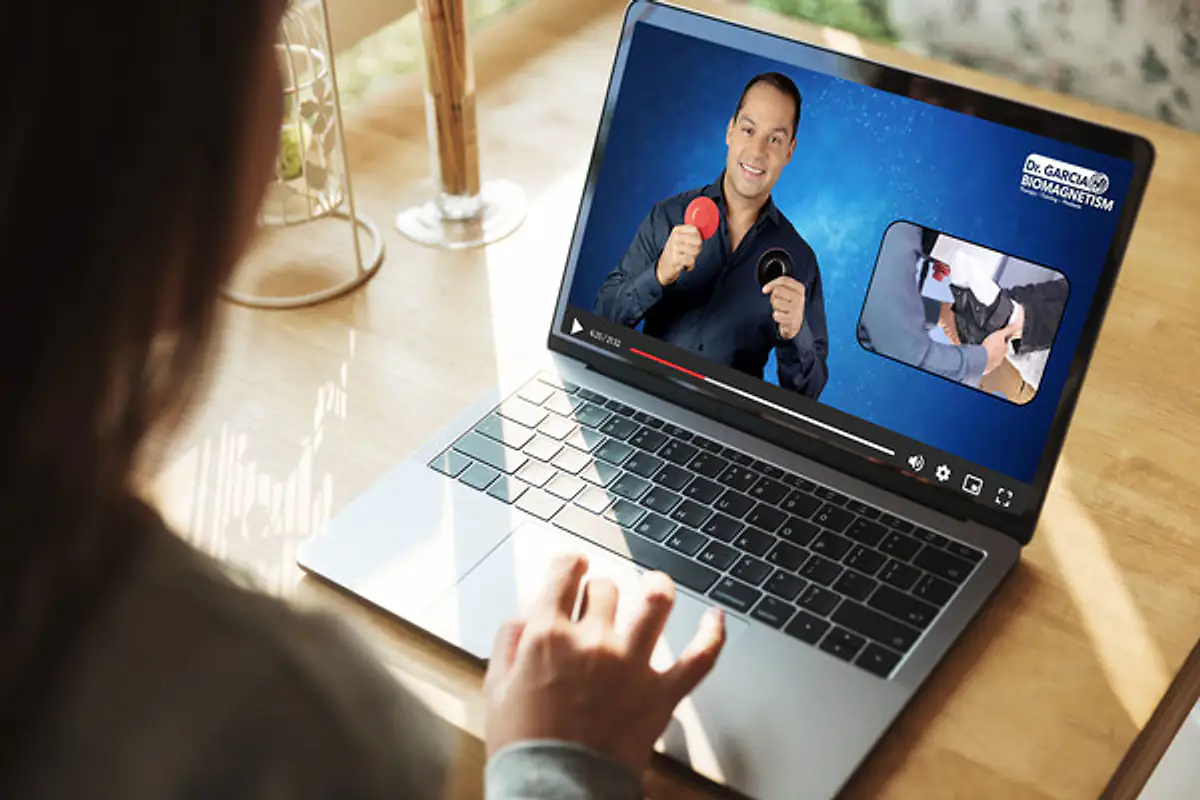
From Origins to Modern Programs
How foundational pair work evolved into structured international certification.
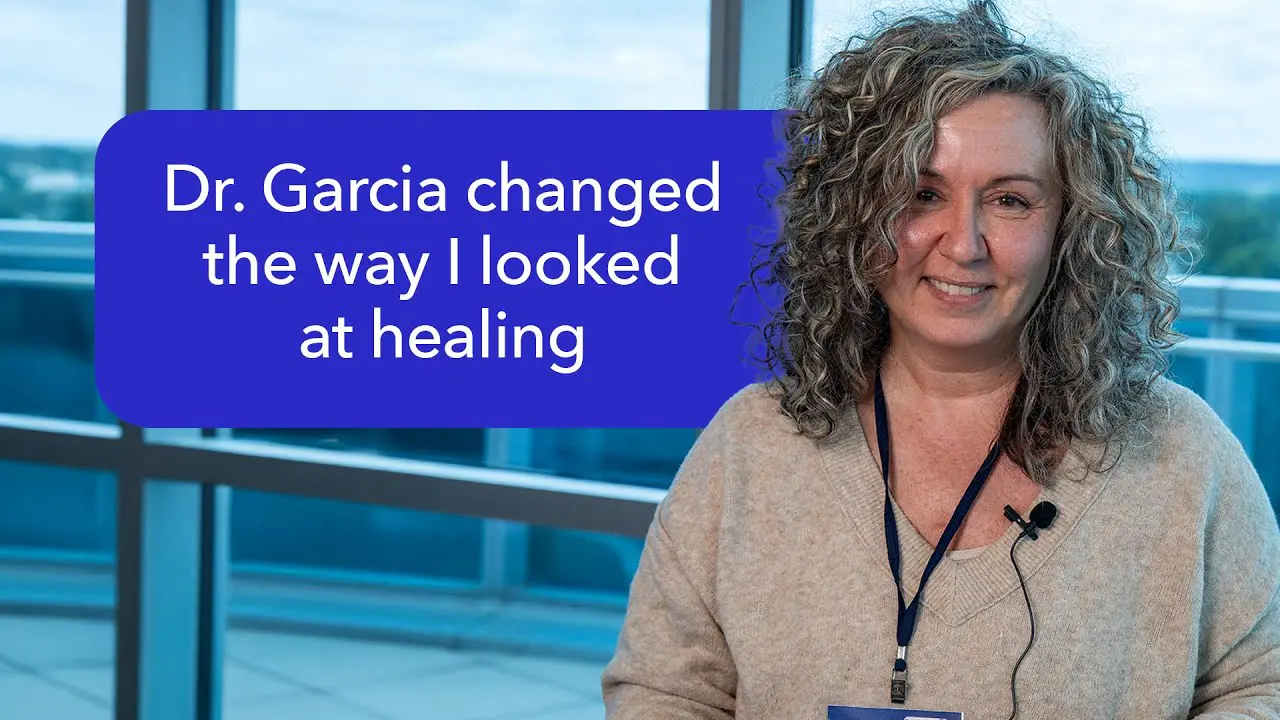
Watch learning video insight
Community perspective on learning pathways and modern practice context.
Explore certification training after understanding the lineage
Educational history — program details on training guides only.
Biomagnetism therapy timeline
| Period | Milestone | Significance |
|---|---|---|
| 1980s | Dr. Goiz develops pair work in Mexico | Starts north–south pairs on mapped points. |
| 1990s–2000s | Pair maps grow; seminars spread | More teachers and larger pair lists. |
| 2000s–2010s | Global train nets and translated books | English class grows; safety talk gets clearer. |
| 2010s–present | Structured online cert (e.g. Dr. Luis Garcia Level I & II) | 320+ pairs on video; still wellness—not hospital care. |
| Ongoing | Research and debate continue | Small studies exist; big trials on full maps remain thin. |
Early Origins: Dr. Isaac Goiz Durán and the Biomagnetic Pair
Modern biomagnetism is usually traced to Dr. Isaac Goiz Durán, a Mexican doctor who explored static magnets on the body in the 1980s. He saw that some body point pairs seemed linked. He placed opposite poles on those points to support internal balance.
Over time, Dr. Goiz mapped many “biomagnetic pairs” and taught seminars. Students who trained with him helped spread the method in Latin America, Europe, and the United States.
Key figures in the lineage
Dr. Isaac Goiz Durán
Started modern biomagnetic pair work
Mexican doctor linked to late-1980s pair maps and early global seminars.
Direct Goiz trainees
Regional teachers who refined protocols
Spread pair maps in Latin America, Europe, and North America with local tweaks.
Dr. Luis Garcia
Built major English-language courses
Studied in the Goiz line. Set up 320+ pairs for online and in-person cert.
Certified grads worldwide
Practitioners and teachers
Use trained protocols in wellness scope. Quality depends on training depth and ethics.
Expansion and Refinement of Biomagnetic Pairs
As more pros tried pair work, new maps and plans appeared. Some focused on organs or systems. Others looked at emotions or environment. The common thread was opposite poles on related points to support the body's terrain.
In later decades, many schools emerged. Modern training often teaches 300+ pairs with clearer rules on assessment, safety screens, and fair client talk.
Early era vs modern structured training
| Aspect | Early era | Modern training |
|---|---|---|
| Pair catalog size | Smaller early maps; growth through trial in clinics | 320+ pairs in major certs with organized modules |
| Delivery | In-person seminars and mentor teaching | Online video, manuals, practice, and seminars |
| Assessment | Muscle testing and observation for pair choice | Same core tools plus standard intake and safety screens |
| Scope language | Often informal; varied by teacher | Good programs stress wellness limits and doctor referral |
| Global access | Limited to seminar travel and local networks | Internet courses reach students worldwide |
Modern Era: Structured Training and Global Access
Today, biomagnetism is used in many countries as a wellness add-on with normal medicine. Teachers like Dr. Luis Garcia helped turn the material into courses with theory, pair maps, case talk, and demos.
Online learning lets students worldwide study more systematically than in the early seminar-only era. Good courses stress that biomagnetism is not a stand-in for medical care and that pros should stay in a wellness frame.
Controversies, Research, and Balanced Context
Why supporters cite history
Years of pro observation, growing pair maps, and client reports fuel interest as add-on wellness support.
Why critics stay cautious
Big trials on full pair maps are rare. Cure claims often go past what studies show.
Balanced pro stance
Fair teachers cite lineage and experience but state limits—see /biomagnetism-risks-and-limitations and /does-biomagnetism-therapy-work.
Regulatory reality
Biomagnetism cert is not a government medical license in most places. Hospitals do not use it as standard care.
Frequently asked questions
Who created biomagnetism therapy?
Modern pair work is most linked to Dr. Isaac Goiz Durán in Mexico in the late 1980s. Later teachers, including Dr. Luis Garcia, grew English-language training.
When did biomagnetic pair therapy begin?
The pair method is usually dated to the late 1980s in Mexico. It spread in the 1990s and 2000s through seminars and translated books.
How has biomagnetism changed over time?
Early work used smaller pair sets and seminar-only teaching. Modern programs list 300–320+ pairs, online modules, safety screens, and clearer ethics words.
What is the relationship between Goiz and Dr. Luis Garcia?
Dr. Garcia studied in the Goiz line and built a widely used English cert. He did not invent the first pair idea but organized modern global teaching.
Is biomagnetism now mainstream medical therapy?
No. It stays a debated wellness add-on—not standard hospital care. Good training stresses use with, not instead of, medical care.
How did biomagnetism spread to the United States?
Through seminars, English classes, practitioner networks, and later online courses. U.S. practice is mostly private wellness settings.
Are all biomagnetism schools the same?
No. Pair counts, ethics modules, and teacher creds vary. Compare programs in /biomagnetism-certification-guide before you enroll.
Does history prove biomagnetism works?
Lineage and long use show cultural staying power—not clinical proof. Judge evidence on its own—see /biomagnetism-research-and-sources.
Where can I read about Goiz lineage in more detail?
See /blog/biomagnetism-goiz-lineage-and-dr-garcia-training for a long-form article in this topic cluster.
What should I read after this history page?
Start with /what-is-biomagnetism-therapy, then /biomagnetic-pairs-explained, /is-biomagnetism-therapy-safe, and /learn-biomagnetism-therapy.
Further reading & sources
- Blog: Goiz lineage & Dr. Garcia training
Long-form lineage article.
- What is biomagnetism therapy?
Beginner guide after history context.
- Biomagnetic pairs explained
How pair maps work in modern visits.
- Biomagnetism research & sources
Proof tiers separate from history story.
- PubMed — biomagnetic pair therapy
Mixed study types—read methods before citing.
Continue the beginner reading path
After history, read what is biomagnetism therapy?, then biomagnetic pairs explained and the learn biomagnetism hub.