Science & Safety Guide

Is Biomagnetism Therapy Legit?

A clear guide to the science, safety, and research behind biomagnetism therapy. Learn key facts, safety notes, and what to consider before trying it.

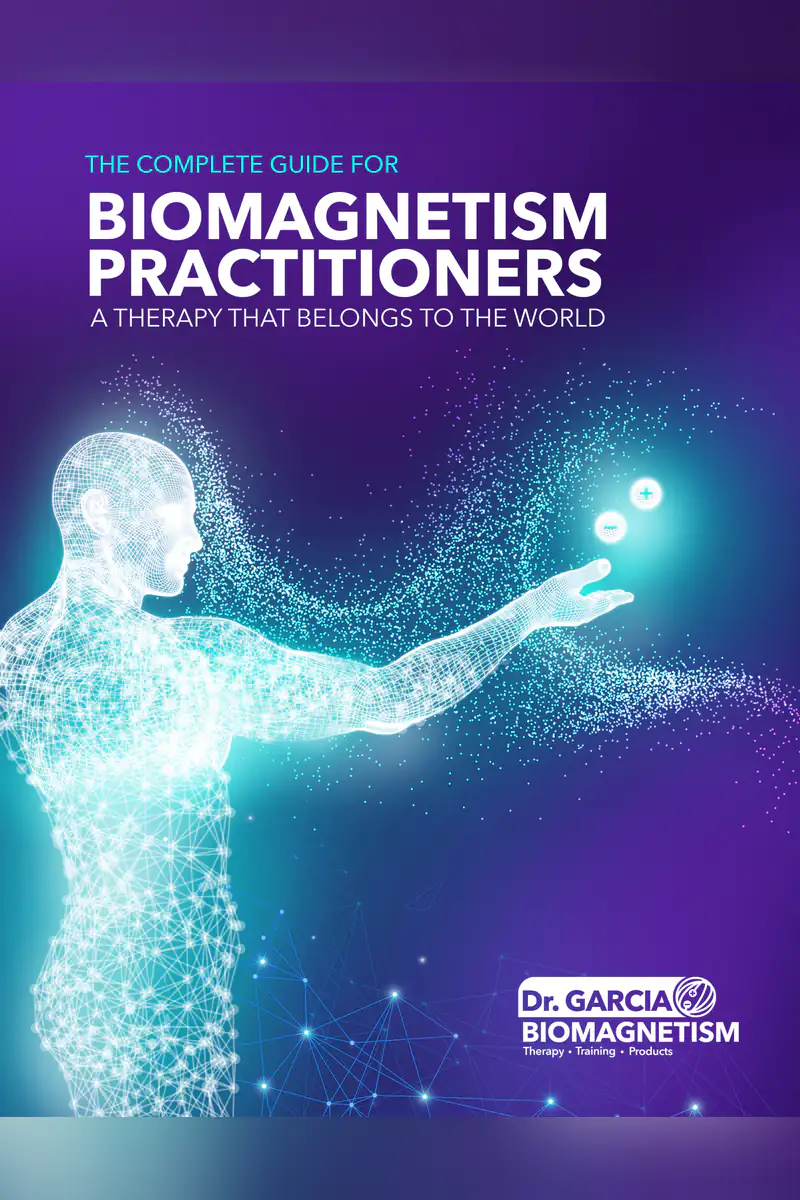
Biomagnetism legitimacy, science, and safety educational overview visual

How real it is Through Safety and Clarity

Review evidence context, practical safety checks, and ethical practice boundaries for fair biomagnetism use.

Watch learning video insight

Quick summary of science framing, safety precautions, and how to find real pros.

Is biomagnetism therapy legit? Plain summary

Legit means honest training, clear limits, and no scam promises. Good providers screen you and work with your doctor when needed.

Biomagnetism is not proven for every disease. That is normal for many wellness methods.

Red flags include cure claims, pressure to stop meds, and no questions about pacemakers or pregnancy.

Ask where the provider trained and what they will not treat. Real pros explain both benefits and limits.

Magnets are real objects. The open question is whether a given protocol is safe, trained, and honest—not whether iron exists.

  • Look for safety screening before the first session.
  • Avoid anyone who refuses to coordinate with your doctor.

Understanding Biomagnetism Therapy How real it is

Asking "Is biomagnetism therapy legit?" is smart. Magnets exist—but you want a pro who follows a clear plan, stays within safe limits, and speaks honestly about what the method can and cannot do.

Biomagnetism therapy uses magnets placed in set spots. Some people feel supported; others do not. Legit care means safety screening, clear expectations, and working with your doctor when needed.

What Does the Science Say?

pH Balance Theory

Biomagnetism is often explained with body acid–base balance ideas. The theory is that stress may shift balance and that magnet pairs may support the body's natural processes.

Status: Acid–base balance is real biology, but using magnet pairs to change it is still debated. A real pro should call it a theory—not a guaranteed fact.

Research and Evidence

Studies exist on magnets and health, but they do not always match biomagnetism's exact pair-and-placement method. Results are often mixed and hard to compare.

Current status: Many pros treat biomagnetism as wellness support. That can be fair when expectations are honest and medical care stays in place.

Pro Reports

Client stories matter, but they are not the same as large clinical trials. Real pros pair stories with a steady protocol, clear intake, safety screening, and honest follow-up when results vary.

Safety and How real it is Tips

Often Safe

When a trained provider uses a defined protocol, biomagnetism is often seen as low risk. Trust comes from proper screening and placement—not from owning magnets alone.

Important Precautions

People with pacemakers or other implanted devices should skip biomagnetism or ask a clinician first. Pregnancy and complex illness need a doctor's input before any session.

Training Matters

Real pros can explain their training and show they understand when not to use and protocol selection. That's what reduces mistakes in pair finding and placement.

Results Vary

Results vary. Some people feel supportive changes, some notice little difference, and some decide it's not for them. A real pro respects that reality and adapts fairly.

What a Real Biomagnetism Session Looks Like

If you're trying to judge how real it is quickly, look for these common elements. They reduce "salesy" or improvised practice and replace it with a consistent, safety-first approach.

Safety screening first: they ask about implanted electronic devices, pregnancy tips, and relevant medical history.
Clear consent and scope: they explain what biomagnetism is intended for and what it is not.
Protocol consistency: they use defined biomagnetic pair selection and correct placement locations.
Response awareness: they talk about what you can realistically notice and how sessions may be adjusted.
Documentation mindset: they keep notes so you and they can track what changes and what doesn't.
Respect for medical care: they never tell you to stop proven treatment when it is needed.

Red Flags: What Makes Biomagnetism Illegitimate?

Medical Claims

Practitioners making strong medical claims like "cures diseases" or "treats cancer" are making unsupported claims. Legitimate practitioners focus on supporting wellness, not making medical guarantees.

No Training or Certification

Practitioners who cannot show proper training credentials or certification should be avoided. Legitimate practitioners have completed comprehensive training programs.

Pressure Tactics

High-pressure sales tactics, requiring large upfront payments, or making unrealistic promises are red flags. Legitimate practitioners are transparent about costs and realistic about outcomes.

Replacing Medical Care

Any practitioner who tells you to stop medical treatment or replace it entirely with biomagnetism is acting unethically. Biomagnetism should complement, not replace, medical care.

How to find qualified biomagnetism practitioners

Check for proper certification (Biomagnetism and Beyond Level I and II or equivalent).
Ask how they were trained to do safe muscle testing and biomagnetic pair selection.
Ask what safety screening questions they ask before placing magnets.
Look for transparent pricing and realistic what to expect (no "guarantees for everyone").
Prefer pros who document sessions and can explain what they track.
Ensure they understand scope: biomagnetism can support wellness, but it should not replace diagnosis.
Ask whether they coordinate with your clinician if you are managing a medical condition.

Setting Realistic What to expect

Biomagnetism therapy is a wellness add-on intended to support wellness. Here's what to realistically expect:

  • Supportive results are not promised, and results can differ by person
  • It should not replace medical diagnosis or proven treatment
  • Some people need more than one session to see whether it helps
  • It may fit best with other wellness habits and care plans
  • Talk with a doctor for medical conditions and safety questions

Frequently Asked Questions About Biomagnetism How real it is

Is biomagnetism therapy scientifically proven?

There is not broad, high-quality clinical proof that biomagnetism (as it is often delivered with biomagnetic pairs and specific placement protocols) works the way standard medical treatments are proven to work for specific diseases. Some parts of the underlying ideas are discussed in the wider literature (for example, how the body regulates pH and how magnetic fields interact with biological systems). But The full, specific biomagnetism protocol is still an area where results and study quality vary. This is why real pros position it as wellness support - not a swap for medical care.

Is biomagnetism therapy safe?

Safety depends on screening and technique. When applied by trained, certified practitioners who follow contraindication checks and correct placement protocols, biomagnetism is generally considered low-risk: it is non-invasive and uses externally placed magnets. A responsible practitioner should ask about implanted electronic medical devices (such as pacemakers, defibrillators, insulin pumps, or cochlear implants), discuss pregnancy considerations, and explain when they will pause a session or refer you to a licensed clinician instead.

Does biomagnetism therapy really work?

Effectiveness varies by person and goal—see our dedicated guide at /does-biomagnetism-therapy-work for evidence tiers and realistic expectations. Biomagnetism is not a guaranteed cure. A trustworthy practitioner explains limits, tracks response, and respects your medical plan; promises of outcomes for everyone are a red flag.

What are the side effects of biomagnetism therapy?

Reported effects are often mild and temporary when proper protocols are followed. Commonly described experiences include fatigue or mild discomfort after a session, or temporary changes while your body adjusts. Serious adverse events are not typical when when not to use are respected and placements are done correctly - but it is still important to tell your pro about any medical conditions and to seek medical care if you experience concerning symptoms.

Who should not use biomagnetism therapy?

If you have an implanted electronic medical device (such as a pacemaker or defibrillator) you should avoid biomagnetism unless your clinician advises otherwise. Pregnancy is another situation where you should talk to your doctor first. Beyond that, if you have complex or urgent medical conditions, a real pro should discuss your situation and coordinate with your medical care instead of proceed blindly.

How do I find a real biomagnetism pro?

Start with training and certification (for example, Biomagnetism and Beyond Level I and II or equivalent). Then look for practical how real it is: they should screen for when not to use before placing magnets, explain the limits of what biomagnetism can and can't do, use a consistent protocol (not "random magnets"). And Clearly encourage you to keep medical treatment when it is needed. If a pro won't talk openly about safety and scope, choose someone else.

Conclusion: Is Biomagnetism Therapy Legit?

Biomagnetism therapy can be a legitimate wellness support when it is practised by trained, certified practitioners who screen for safety risks, follow a defined protocol, and clearly communicate the limits of the current evidence and the expected range of outcomes.

The key to how real it is:

  • Proper training and certification
  • Realistic what to expect and transparent talking
  • Safety protocols and when not to use awareness
  • Working within scope of practice
  • Complementing (not replacing) medical care

If you're considering biomagnetism therapy, choose a pro who is transparent about what they do, follows safety screening, and respects your existing medical care. Used appropriately, it can be one part of a broader wellness approach.

Become a Real Biomagnetism Pro

If you're interested in becoming a certified biomagnetism pro, full training is essential. Dr. Garcia's program provides the knowledge, skills, and certification needed to practice legitimately and safely.

View Training Program

Professional Certification • Full Training • Safety Protocols • 12 Months Access