Traumatic Brain Injury & Biomagnetism
Plain education on head injury, concussion awareness, and how magnet-pair training discusses hard cases - not medical advice and not a treatment claim.
Key takeaway: traumatic brain injury needs licensed medical care first. Biomagnetism training may mention TBI only to teach scope, screening, and referral - not as brain repair or a home cure.
for new concussion, worsening headache, vomiting, seizures, or sudden confusion - seek emergency care. Use this page for education context before citing training or booking wellness sessions.
Important safety note: Regarding traumatic brain injury & biomagnetism - Biomagnetism is a wellness add-on and is not a substitute for medical diagnosis, treatment, or emergency care. Always work with a licensed clinician for any health condition before starting, stopping, or changing any therapy.
When evaluating biomagnetic pairs alongside traumatic brain injury, absolute contraindications apply: do not use magnets if you have an active pacemaker, implanted defibrillator, insulin pump, or electronic medical device. If pregnant, consult your obstetrician first.
Head injuries can be emergencies. Call 911 for passing out, repeated vomiting, seizures, uneven pupils, or fast confusion. Magnets do not replace brain doctors, scans, or rehab.
Traumatic brain injury-specific safety standards and the full medical disclaimer are on our conditions hub.
Brain injury and magnets - plain summary
Good to know about traumatic brain injury and: This page covers traumatic brain injury & biomagnetism - training partner content only.
Good to know about traumatic brain injury and: Brain injury needs a medical team first. Scans, rest. And rehab matter most.
Keep this in mind for traumatic brain injury and: Magnets are not ER care. They are not a home cure for brain injury.
Worth a read if you study traumatic brain injury and: Training may mention hard cases only to teach limits.
Study note on traumatic brain injury and: Work with brain doctors and therapists. Do not skip their plan.
Worth noting about traumatic brain injury and: If you try wellness later, tell all providers what care you already get.
Short version for traumatic brain injury and: Worse headache, vomiting, or slurred speech needs emergency help now.
Clear view on traumatic brain injury and: /traumatic-brain-injury-and-biomagnetism explains traumatic brain injury and in plain words so readers learn safety limits before client biomagnetism.
A quick note on traumatic brain injury and: Research context for traumatic brain injury and on /traumatic-brain-injury-and-biomagnetism supports training decisions - not self-finding or skipped medical care.
Good to know about traumatic brain injury and: Clients looking at traumatic brain injury and should disclose wellness practices to their licensed health providers.
Ethical scope for traumatic brain injury and - full disclaimer details: disclaimer hub.
- Clear view on traumatic brain injury and: Head injury = doctor first, magnets later only if safe.
- A quick note on traumatic brain injury and: Keep all follow-up visits.
- Good to know about traumatic brain injury and: Say no to magnet visits during acute symptoms.
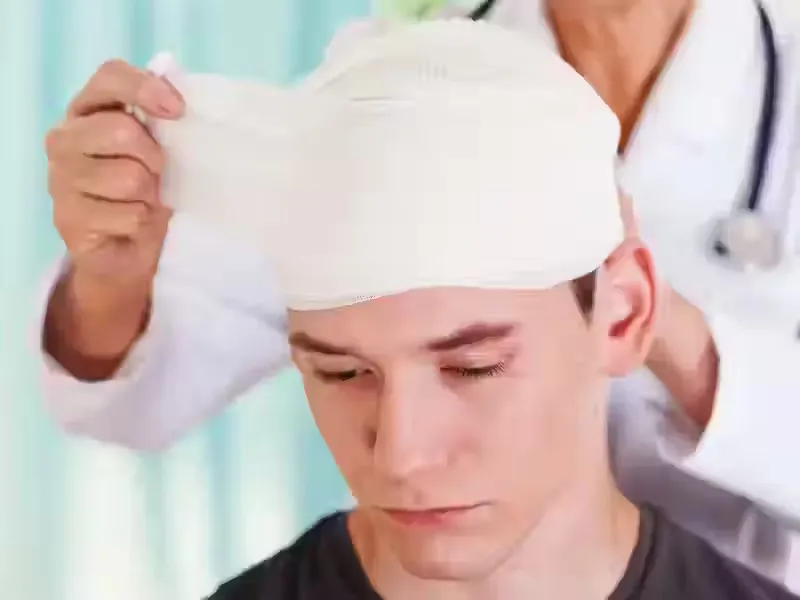
Illustration for partner education only. Brain injury care is directed by licensed clinicians - not by wellness magnets.
What TBI means (simplified)
A traumatic brain injury (TBI) happens when a hit, fall, blast, or jolt damages the brain. Signs range from brief confusion after a sports concussion to lasting memory, mood, sleep, or balance problems after a severe injury. Care teams use exams, imaging when needed, rest plans, medication, and rehab. Only licensed clinicians should direct that care.
This page explains how biomagnetism training talks about neurological limits. It does not tell you to skip neurology, occupational therapy, or speech therapy.
Concussion vs. severe TBI
| Topic | Often mild (concussion) | Often severe TBI |
|---|---|---|
| Typical course | Symptoms may improve over days to weeks with medical guidance | May need hospital care and months of rehab |
| Who decides care | Doctor + return-to-activity protocols | Neurology, rehab team, case manager |
| Wellness magnets | Not during acute phase; not a substitute for clearance | Only if physicians agree stable chronic care - never instead of medical plan |
How biomagnetism is discussed in training
Dr. Luis Garcia's course teaches magnet pair steps in a classroom setting. Hard brain cases may appear in advanced lessons to teach limits and when to send clients to a doctor - not to sell magnets as a home cure for brain injury.
- Students learn that wellness is extra support only - not a replacement for medical care.
- Pair maps and muscle tests are taught with ethics and scope rules.
- Acute or unstable brain symptoms must go to medical care first.
Emergency: acute head trauma, loss of consciousness, and intracranial red flags
A possible concussion with worse headache, vomiting, slurred speech, weak arm or leg, one pupil larger than the other, or sudden confusion needs ER care now - not a wellness session.
Important safety note
Brain injury can be life-threatening. Keep all neurology and rehab appointments. Tell every provider about implants (pacemakers, pumps) before any magnet session. Biomagnetism is complementary wellness framing only - it never replaces prescribed treatment.
Learning biomagnetism with neurological scope in mind
Practitioners who may eventually see clients with chronic symptoms often train with Dr. Luis Garcia's official online program. The curriculum emphasizes:
- Screening for red-flag symptoms before any session
- Ethical scope: when to decline and refer to medical care
- Muscle testing and pair maps taught as classroom skills - not ER tools
- Clear client communication that wellness does not replace neurology
Related guides (different intent - less duplicate overlap)
These pages use different outlines so readers (and search engines) see distinct purposes - not recycled templates with a new condition name.
- Muscle testing for beginners - how arm tests are taught in certification (not acute TBI care).
- Asthma and biomagnetism - respiratory add-on care vs. inhalers and ER rules.
- Biomagnetism research & sources - evidence limits and citation hub.
- Health topics hub - browse all condition education pages.
- Editorial policy - how we review health-adjacent content.
Common questions about TBI and biomagnetism
Can magnets treat or cure a brain injury?
No. Traumatic brain injury needs licensed medical care - scans, rest plans, medication when prescribed, and rehab. Biomagnetism training may reference brain injury only to teach scope and ethics, not as a home cure.
Why is brain injury mentioned in biomagnetism training?
Advanced modules sometimes use complex neurological cases to teach when practitioners must decline sessions and refer clients to physicians. That classroom context is not marketing magnets as brain repair.
When should someone with a head injury avoid magnet sessions?
During a new concussion, worsening headache, repeated vomiting, seizures, slurred speech, weakness on one side, or confusion that comes on fast - seek emergency care first. Do not delay neurology follow-up for a wellness visit.
What is the difference between concussion and severe TBI?
Concussion is often called a mild TBI: brief confusion, headache, or sensitivity that may resolve with medical guidance. Severe TBI can mean longer unconsciousness, lasting memory or mood changes, and months of rehab. Only your care team can classify your injury.
Can students practice muscle testing on someone with a recent head injury?
No - not until a physician clears wellness work and symptoms are stable. Students learn screening first; see our muscle testing beginner guide for how tests are taught in class, not in acute injury care.
Where can I read sources about TBI and complementary wellness?
Use our sources section below (CDC, NIH, and neurology references). For biomagnetism evidence limits, read the research hub and editorial policy - always alongside your neurologist's plan.