What is the difference between biomagnetism and Reiki?
Definition: Biomagnetism vs Reiki compares static north - south magnet pairs on mapped body points (Biomagnetism Training Course teaches 320+ pairs). With Reiki's hands-on. Or hands-off life-force energy work - both are supportive wellness methods, not medical treatments.
Key takeaway: biomagnetism uses visible care magnet pairs and steps-based training. Reiki uses no physical tools and attunement-based energy channeling - choose by method fit, not by "better" claims. And keep medical care primary.
Who should read this biomagnetism vs Reiki guide?
Who it is for: wellness learner, Reiki therapists weigh biomagnetism add-ons. And readers checking add-on methods before Biomagnetism Training Level 1 and 2 sign-up - not for replacing licensed doctor.
- Industry: Industry context: wellness support education - distinct from acupuncture (regulated needling profession), massage therapy licensing,. Or hospital diagnostics.
- When to use: When to use this guide: you want side-by-side method, tools, training hours. And session feel before booking sessions or checking certification paths.
- When not to use: When not to use it alone: acute pain, infection, mental-health crisis, or medication decisions - see licensed doctor. This page does not rank methods for medical results.
Biomagnetism vs Reiki vs acupuncture (at a glance)
| Modality | Method | Typical session |
|---|---|---|
| Biomagnetism (Biomagnetism Course) | Static magnet pairs + muscle testing | Protocol maps, terrain/pH framing, 45 - 90 min sessions |
| Reiki | Hands-on/off energy channeling | Attunement lineage, no physical tools, meditative feel |
| Acupuncture (context) | Fine needles at meridian points | Licensed TCM profession - different tool and regulation |
| Published training path | /training-online | Level I & II certification for biomagnetism scope |
How to choose between biomagnetism and Reiki (4 steps)
- List your goals: hands-off magnets, energy work, or needle-based TCM - they are different categories.
- Check training and licensing requirements for each modality in your region.
- Keep medical care primary; use wellness add-ons only with transparent therapists.
- Compare full Biomagnetism Online Training syllabus on the online training guide before enrolling.
Enrollment guide findings: biomagnetism vs Reiki decision patterns
Common questions has "can I do both?" (yes, with clear scope) and whether consumer bracelet magnets are the same as care pairs (they are not) - we link NCCIH. And Biomagnetism Training specs. Acupuncture questions often need the broader /biomagnetism-vs-alternative-therapies hub.
Source list for reiki literacy: NCCIH - magnets for pain overview, NIH - acupuncture overview, and Biomagnetism Course published biomagnetism site (biomagnetism Vs Reiki Reference). Broader hub: biomagnetism vs alternative therapies.
Biomagnetism vs Reiki - plain summary
For biomagnetism vs reiki, the page heading uses these topic words in the sections below: biomagnetism, reiki, mechanism.
Keep this in mind for reiki: This URL owns "biomagnetism vs Reiki side-by-side mechanism magnets vs energy channeling," while broader cluster pages live on /training-online.
Worth a read if you study reiki: two different wellness paths with different tools and training.
Study note on reiki: Reiki uses hands-off energy work. Biomagnetism uses mapped magnet pairs on the body.
Worth noting about reiki: Neither replaces medical care. Compare scope, training time. And client fit.
Short version for reiki: This page helps you choose a study path - not pick a cure for illness.
Clear view on reiki: Research notes on reiki at /biomagnetism-vs-reiki help with training choices - not self-finding or skipped medical care.
A quick note on reiki: learner and pros studying vs reiki should ask licensed doctor about their own health choices.
Before applying reiki notes, review sitewide safety standards: reiki: disclaimer hub.
- A quick note on reiki: See the vs-alternative-therapies hub for more comparisons.
- Good to know about reiki: Ready to compare courses? Open the online biomagnetism learning pathway.
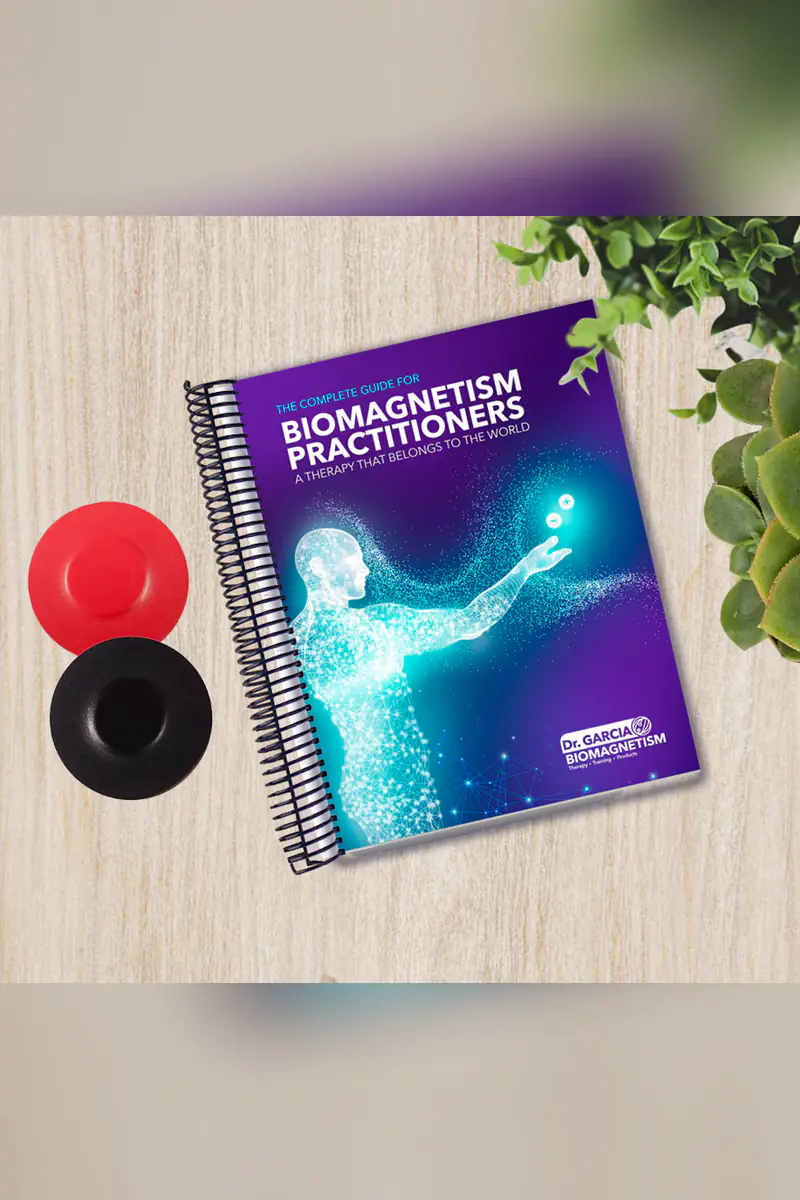
Method-by-Method Grasp
Clear side-by-side for confident decisions.
Watch learning video insight
Different methods can complement wellness goals while medical care remains key.
How do biomagnetism and Reiki differ as wellness methods?
Both work with balance narratives. But biomagnetism uses physical magnet pairs on mapped points while Reiki channels life-force energy through the hands - different tools, training. And session structure.
Both biomagnetism and Reiki are wellness methods that work with energy and balance, but they use very different approaches. Understanding these differences can help you choose which method - or combination - might fit your goals alongside medical care.
What are the key differences: biomagnetism vs Reiki vs acupuncture?
Magnets vs energy hands vs needles - three distinct categories with different credentials; see NCCIH overviews linked in our sources section.
Method & Tools
- Uses physical magnets (1000+ Gauss) placed on specific body points to influence pH and terrain balance
- Practitioner channels universal life force energy through their hands (hands-on or hands-off), no physical tools
- Uses sterile fine needles at meridian acupoints - licensed TCM profession, not magnet pairs
Theory Framework
- Based on pH balance, terrain theory, and magnetic field influence on body chemistry and pathogens
- Based on universal life force energy (ki/chi), chakras, and energy channel clearing
- Based on qi flow, meridian balance, and TCM pattern diagnosis
Session Feel
- Magnets are placed on specific points, client lies still for 15 - 30 minutes while magnets work
- Practitioner moves hands over or gently touches energy centers, session often 45 - 90 minutes
- Needle insertion with stillness; often 30 - 60 minutes under licensed acupuncturist
Training & Certification
- Requires learning specific biomagnetic pairs (300+), muscle testing, and protocol use (Biomagnetism Course Level I & II)
- Involves attunement by a Reiki master, learning hand positions and energy channeling techniques
- Multi-year licensed acupuncturist program and board exams in regulated regions
What do biomagnetism and Reiki have in common?
Both are gentle supportive wellness approaches - not medical treatments - that require training and work best beside standard health.
Despite their different methods, biomagnetism and Reiki share several important traits:
- Both are wellness ways - not medical treatments.
- Both aim to support the body's natural balance and self-healing capacity.
- Both are often hands-off and gentle.
- Both require proper training and ethical practice.
- Both work best when mixed in with standard healthcare, not as swaps.
When might each modality be appropriate?
Choose biomagnetism for steps-based magnet maps, Reiki for intuitive energy sessions. And acupuncture only through acupuncturists - personal fit, not medical ranking.
Consider Biomagnetism If:
- You prefer a more structured, protocol-based approach.
- You are interested in pH balance and terrain theory.
- You want a method that uses physical tools (magnets) you can see and feel.
- You are looking for specific point-based protocols for different health themes.
Consider Reiki If:
- You prefer a more intuitive, energy-based approach.
- You resonate with chakra and universal life force ideas.
- You want a hands-on or hands-off method without physical tools.
- You are looking for a gentle, meditative wellness feel.
Can you combine biomagnetism and Reiki?
Yes - many pros use Reiki to prepare the field before magnet pairs. But each method needs its own training and clear scope. Neither replaces medical care.
Many pros and clients combine biomagnetism and Reiki. Some pros use Reiki to prepare the energy field before placing biomagnetic pairs, or offer both in the same session. Since they work through different mechanisms, they can complement each other when practiced ethically with transparent communication.
Explore further energy healing and biomagnetism comparisons
See the broader alternative-therapies hub, PEMF blog. And Reiki pro profession page for adjacent decision paths.
Vs Alternative Therapies
Reiki, acupuncture, massage, and naturopathic scope in one table.
Biomagnetism vs PEMF
Static pairs vs pulsed electromagnetic devices.
For Reiki Practitioners
Adding magnet pairs with clear scope separation.
Online Training & published tuition
Level I & II certification path and published tuition.
Important reminder
Neither biomagnetism nor Reiki replaces medical diagnosis, emergency care, or prescribed medicines - consult qualified clinicians for health concerns. Evidence context on Reiki and magnets: NCCIH - magnets for pain overview.
Often Asked Questions
What is the main difference between biomagnetism and Reiki?
Biomagnetism places physical magnet pairs on mapped body points after intake; Reiki channels universal life-force energy through the therapist's hands with no magnets - different tools and training paths.
How does biomagnetism compare to acupuncture?
Acupuncture uses sterile needles at meridian acupoints under licensed TCM scope; biomagnetism uses external static magnet pairs over clothing - not interchangeable methods or credentials.
Can I practice both biomagnetism and Reiki?
Yes - many therapists combine them when scope stays clear (e.g., Reiki to prepare, then magnet pairs), but each modality needs its own training and ethical limits.
Which is more helpful: biomagnetism or Reiki?
Neither replaces medical care; fit depends on whether you prefer protocol-based magnet maps or intuitive energy sessions - personal preference, not a universal ranking.
Where should I compare more modalities?
See /biomagnetism-vs-alternative-therapies for Reiki, acupuncture, massage, and naturopathic scope side-by-side, then /training-online for Biomagnetism Therapy Course certification.
Interested in learning biomagnetism?
the published program’s programs teach biomagnetic pairs, safety protocols, and ethical scope - see online training and Biomagnetism Course published biomagnetism site (biomagnetism Vs Reiki Reference).
If you are curious about biomagnetism and want to learn it properly, the published program’s training programs provide structured learning in biomagnetic pairs, safety protocols, and ethical practice.