Is biomagnetism therapy safe? Plain summary
This page covers is magnet therapy safe? 2026 online. educational partner content only.
Short answer: this guide addresses “is magnet therapy safe safety screen guide” with dedicated scope boundaries. practical considerations tailored to this specific focus area.
All notes on is magnet therapy safe safety screen guide are provided for educational and professional literacy context within non-medical magnet wellness principles.
magnet work uses small magnets on the outside of your clothes. There are no shots and no cuts.
For many people it feels gentle when a trained provider checks you first. You still need your doctor for diagnosis and treatment.
Skip magnets if you have a pacemaker, an insulin pump. or other implanted electronics. Ask your doctor if you are pregnant or very ill.
Research context for is magnet therapy safe on /is-biomagnetism-therapy-safe supports training decisions. not self-diagnosis or skipped medical care.
Professional training in is magnet therapy safe complements conventional care but never replaces physician expertise.
Before applying is biomagnetism therapy safe notes, review sitewide safety standards: disclaimer hub.
Safety checklist walkthrough
This page is long. Read this block first if big words slow you down. It says the same ideas in plain talk.
What happens in a visit
Small magnets rest on your clothes. There are no shots. There are no cuts.
You lie still for a set time. The room is often quiet.
A fair visit starts with health questions. You can stop at any time.
Who it may suit
Many adults feel fine when a trained person screens them first.
This is add-on wellness. It is not ER care.
Keep your doctor for tests, drugs, and diagnosis.
- Tell the provider about all drugs you take.
- Share implant or pump facts before magnets go on.
- Ask what the visit is forΓÇöand what it is not.
Who should wait or skip
Pace makers and insulin pumps often mean no magnets.
Hard pregnancy cases need a doctor yes first.
Chest pain, stroke signs, or bad shortness of breath need ER care now.
- Cochlear implants need device-specific medical clearance.
- Active infection or fever may mean delay the visit.
- Kids need parent consent and often a clinician check.
What can go wrong
Some people feel tired or sore after. That is often mild.
Bad pain, fever, or chest symptoms are not normal magnet side effects.
Stop the visit and call for help if you feel unsafe.
How to use the rest of this page
Below you will see lists, tables, and FAQs with more detail.
Use them with your doctorΓÇönot instead of your doctor.
Open the screening checklist link if you are not sure you qualify.
Short answer: For many screened adults, magnet pair visits are low risk when a trained person checks you first. Magnets stay on clothes only. Pace makers, pumps, hard pregnancy cases, and ER symptoms need special rules or a skip. Keep your doctor for diagnosis and treatment.
In one sentence: biomagnetism uses external static magnet pairs; risk is lowest with trained screening and highest when magnets are used instead of medical care. See does biomagnetism work?, legitimacy red flags, and research & sources.
Understand safety before exploring practitioner training
Educational guide only — certification details are on our training guides.
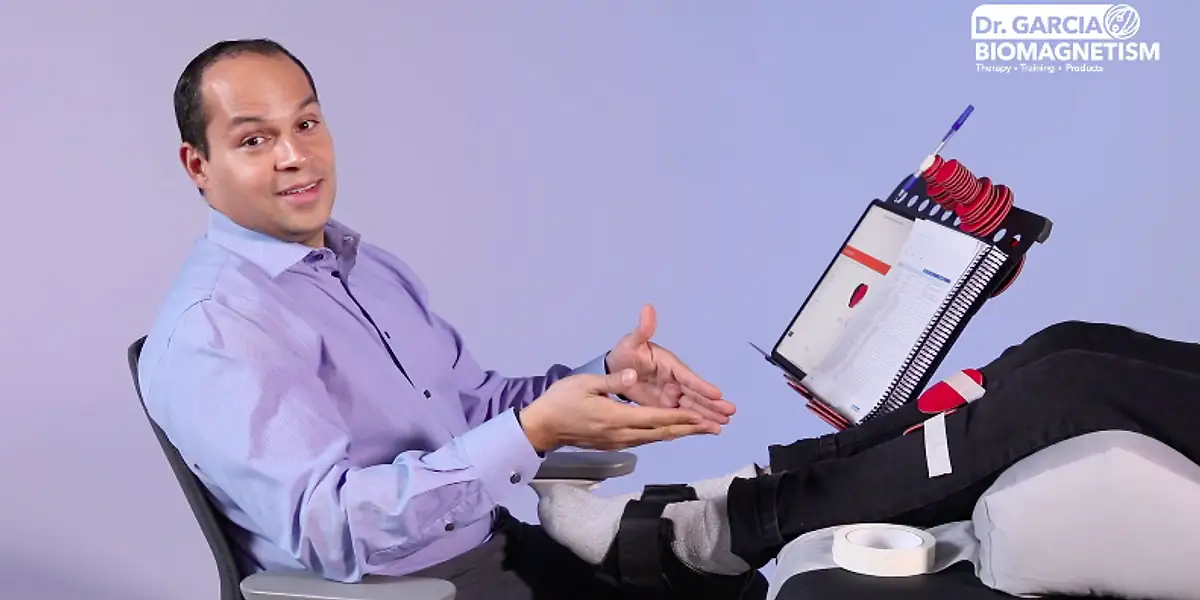
Safety and Ethics Training Focus
Learn screening, contraindications, and ethical communication.
Watch learning video insight
Learning discussion only. Serious symptoms always require qualified doctor visit.
Why People Ask About Biomagnetism Safety
When you hear about any new method, one of the first questions is naturally, “Is it safe?”. Biomagnetism therapy uses static magnets placed on mapped points of the body. For many people this is felt as gentle and relaxing. Like any wellness approach, it has limits and clear contraindications.
Understanding these boundaries is part of being a responsible client or practitioner. Safety depends on screening, informed consent, and coordination with medical professionals when needed.
What Makes Biomagnetism Often Gentle and Non‑Invasive
- Biomagnetism uses static magnets placed externally on top of clothing—no injections, drugs, or surgery.
- Sessions are often quiet and gentle, with the client resting while magnets are in place.
- Clear told consent and honest talking about goals and limits are key.
- Biomagnetism must always sit alongside, not instead of, appropriate medical care.
Who Should Avoid Biomagnetism or Use Extra Caution
Certain groups require special care. Training programs typically teach practitioners to avoid or modify sessions for absolute contraindications such as:
- Implanted electronic medical devices (pacemakers, ICDs, cardiac resynchronization hardware)
- Active drug infusion systems (insulin pumps, intrathecal baclofen delivery units)
- Auditory or neurological implants (cochlear devices, deep brain stimulators, vagus nerve units)
- Any medical prosthesis or hardware explicitly flagged by a physician as magnetic field-sensitive
- Direct medical contraindications or clinician directives prohibiting static magnetic exposure
Any new or worsening symptoms must always be discussed with a doctor. Biomagnetism should never delay or replace appropriate doctor visit. For a full screening checklist, see our flagship who should NOT use biomagnetism guide.
Implants & Electronic Devices
This table summarizes why pacemakers and pumps are taken seriously—not all metal in the body carries the same risk, but programmable implants are treated as high-risk by default.
| Device | Concern | Typical action |
|---|---|---|
| Pace maker / ICD | Static fields may affect implanted electronics | Skip magnets unless a heart doctor clears in writing |
| Insulin or drug pump | Motors or sensors may clash near magnet spots | Skip over device sites; get clinician guidance |
| Cochlear implant / bone hearing device | Maker magnet warnings vary by model | Get device-specific medical OK before magnets |
| Spine or brain stimulator | Programmable implants may be field-sensitive | Treat as high risk; defer to implant team |
| Metal surgical hardware (non-electronic) | Usually lower risk than pace makers but spot matters | Tell your provider; skip direct pressure if painful |
Consult Your Physician First
These situations do not always mean "never," but they require written medical guidance before booking a session:
- Pregnancy or prenatal care stages (requires explicit obstetrician written confirmation)
- Active oncology regimens (chemotherapy, radiation cycles, or recent post-surgical recovery)
- Uncontrolled chronic cardiovascular, diabetic, or thromboembolic conditions
- Acute febrile illnesses, systemic infections, or recent inpatient hospitalizations
- Severe psychological distress or unstable psychiatric conditions
- Pediatric clients (requires parental consent and documented pediatric clearance)
Emergency Red Flags — Call 911, Not a Magnet Session
- Acute chest pain, cardiac pressure, or respiratory distress
- Neurological warning signs: facial asymmetry, limb weakness, sudden speech impairment
- Uncontrolled hemorrhage, severe traumatic head injury, or loss of consciousness
- Sudden altered mental status, active seizure activity, or unresponsiveness
- Acute psychiatric crisis, severe self-harm ideation, or behavioral emergencies
Client Checklist Before Your First Session
- Tell the practitioner about pacemakers, pumps, implants, and recent surgeries.
- List medications, pregnancy status, and active diagnoses (especially cardiac, neuro, or infectious).
- Ask what the session is for—and what it is not (no diagnosis, no emergency care).
- Confirm magnets stay on clothing and how long pairs remain in place.
- Agree on a stop signal if you feel dizzy, nauseated, or uncomfortable.
- Keep your doctor in the loop for any condition under active medical treatment.
Reported Effects: Mild vs. Seek Medical Care
| Experience | How common | What to do |
|---|---|---|
| Relaxation or mild fatigue after session | Commonly reported when protocols are followed | Rest and hydrate; note response for follow-up visit |
| Temporary soreness near placement points | Occasional | Tell practitioner; adjust pairs or pause if persistent |
| Emotional release or lightheadedness | Variable | Stop session; seek medical care if severe or prolonged |
| Worsening pain, fever, chest symptoms, neuro changes | Not expected from magnets alone | Stop session immediately; call emergency services if urgent |
More on scope and limits: biomagnetism risks and limitations.
Frequently Asked Questions
Is biomagnetism therapy safe?
For many screened clients it is a gentle, non-invasive complementary method when magnets are placed externally over clothing by a trained practitioner. Safety depends on contraindication screening, honest scope, and never using biomagnetism instead of medical care.
Who should not receive biomagnetism therapy?
Avoid biomagnetism if you have pacemakers, ICDs, insulin pumps, cochlear implants, or other magnet-sensitive electronics unless your clinician approves in writing. Pregnancy, acute illness, and unstable conditions require physician guidance first. See /who-should-not-use-biomagnetism.
Is biomagnetism safe with a pacemaker?
Generally no—most training programs list pacemakers and ICDs as contraindications because static fields may affect implanted devices. Only proceed with explicit cardiology clearance, which is uncommon.
Is biomagnetism safe during pregnancy?
Many instructors advise caution or postponement. Obtain written guidance from your OB or midwife before any session; do not rely on practitioner opinion alone for pregnancy decisions.
Can biomagnetism replace medical treatment?
No. It is wellness support only. Never delay emergency care, labs, imaging, or prescribed treatment because of a magnet session.
What side effects can biomagnetism cause?
Mild fatigue, relaxation, or temporary soreness are sometimes reported. Chest pain, stroke signs, severe pain, or fever are medical emergencies—stop the session and seek appropriate care immediately.
Is biomagnetism safe for children?
Only with parental consent, pediatric medical guidance when indicated, and a practitioner trained in screening minors. Sick children need a clinician first—not magnets as first-line care.
Are fridge magnets or bracelets the same as therapy pairs?
No. Certified biomagnetism uses therapeutic-grade paired magnets on mapped points after screening—not consumer products marketed as cure-alls.
Is biomagnetism safe for beginners learning the method?
Learning without structured training increases risk. Reputable courses teach contraindications, consent, referral rules, and supervised practice—see /biomagnetism-certification-guide.
What should I ask before my first session?
Ask about certification, screening questions, contraindications, session length, what to expect, and how they coordinate with your doctor. Avoid practitioners who promise cures or tell you to stop medication.