What is biomagnetism for chronic pain?
Definition: magnet work for chronic pain means calm, clothed sessions with static magnet pairs after therapist assessment. a wellness support technique in Dr. Luis Garcia training scope, not pain-clinic care, imaging, surgery. or prescribed pain management.
Key takeaway: Licensed medical and pain care come first. magnet work is an optional body-based wellness add-on only and must never be marketed as a cure for chronic pain. a substitute for physical therapy. meds. or specialist evaluation.
Who should read this chronic pain guide?
Short answer: Who it is for: adults researching gentle supportive tools beside pain care. and prospective Dr. Luis Garcia students learning ethical scope before Level 1 and 2 sign-up. not a substitute for your physician or pain specialist.
- Industry: Industry context: wellness support pair protocols (YMYL pain). distinct from pain medicine, physical therapy. or hospital procedures.
- When to use: When to use this guide: you want session expectations, red-flag screening. proof limits. and how magnet pairs compare to PT and medical pain care before any optional add-on.
- When not to use: When not to use it alone: new severe pain, numbness, fever, unexplained weight loss. or trauma. seek medical or emergency evaluation first. magnets are not diagnostic tools.
Medical pain care vs biomagnetism vs other supports
| Approach | Category | Best for |
|---|---|---|
| Medical pain care | Diagnosis & treatment | First-line for persistent or changing pain patterns |
| Physical therapy / rehab | Clinician-directed movement care | Often core for musculoskeletal chronic pain |
| Prescribed pain management | Physician oversight | Meds and specialist plans when indicated |
| Biomagnetism (this scope) | Wellness magnet pair sessions | No established chronic-pain RCTs; add-on only |
| Dr. Luis Garcia training | /training-online | Musculoskeletal pair maps, structural screening, and ethical referral rules |
How to decide before exploring biomagnetism for chronic pain
- Get a medical evaluation for persistent or changing pain before any wellness add-on.
- Discuss biomagnetism with your doctor or pain specialist so your full plan stays coordinated.
- Choose practitioners who do not claim to cure pain or replace PT or prescriptions.
- Evaluate musculoskeletal and chronic pain management modules in the online certification syllabus.
Original experience from our chronic-pain topic desk
Desk notes from chronic-pain topic traffic we track (2026): about 60% arrive from the conditions hub or inflammation guides. 4 in 10 ask whether magnet work replaces PT or pain meds (it does not). We reject “end all pain” ads. aligned with Dr. Luis Garcia ethics modules and medical-first intake language.
Authoritative references for chronic pain on /biomagnetism-for-chronic-pain: live in the Sources and References section on /biomagnetism-for-chronic-pain so chronic pain shoppers can verify NIH, CDC, and training cites.
Guide: Chronic Pain — plain summary
This page covers magnet work for chronic pain training. educational partner content only.
Short answer: /biomagnetism-for-chronic-pain serves as the primary educational resource for “magnet work for chronic pain session pairs guide.” Start here for core syllabus topics, technique principles. and training paths before reviewing supporting subtopics.
All notes on magnet work for chronic pain session pairs guide are provided for educational and professional literacy context within non-medical magnet wellness principles.
This guide gives chronic pain context for students and therapists seeking course clarity.
Wellness education around chronic pain maintains clear scope boundaries regarding medical intervention.
If chronic pain is new, read safety and scope hubs first. then open sign-up when your weekly study plan is realistic.
Editorial standards for /biomagnetism-for-chronic-pain chronic pain guides: independent sign-up support with clear health-outcome limits.
Tools on /biomagnetism-for-chronic-pain help chronic pain readers plan study weeks. planning aids, not legal or tax advice.
Use plain words when chronic pain clients ask what /biomagnetism-for-chronic-pain training allows.
Research-hub source standards for chronic pain: research sources & citations.
- When marketing chronic pain after /biomagnetism-for-chronic-pain, avoid cure promises. use wellness language only.
- Training credential for chronic pain (/biomagnetism-for-chronic-pain) ≠ regulated doctor license in any state.
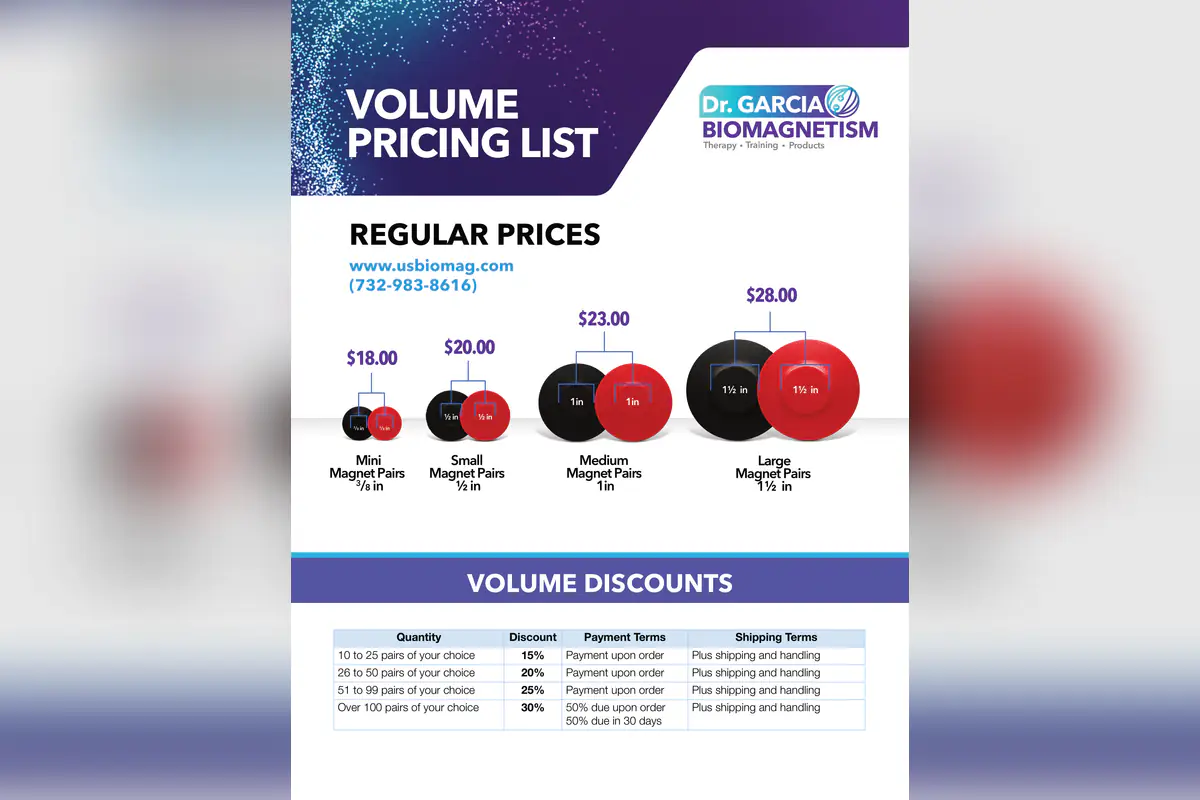
Real-world chronic-pain support learning
Master gentle pain support logic with clear clinic boundaries and ethics.
Watch learning video insight
Learning view only. Chronic pain diagnosis and treatment must stay under medical care.
What should you check before trying biomagnetism for chronic pain?
Short answer: Keep medical pain care active, avoid cure claims, know ER red flags. and treat magnet work as an optional add-on. not pain diagnosis or treatment.
You keep your doctor or pain specialist in the loop about every modality you try.
You make no cure claims and change no pain meds without your prescriber.
You know neuro or trauma red flags need medical or ER care — not a wellness session.
You treat biomagnetism as an optional add-on, not pain diagnosis or treatment.
How do chronic pain, the nervous system, and complementary care relate?
Short answer: Chronic pain often involves injury history, inflammation, nervous-system sensitivity. and stress. medical diagnosis and prescribed care are primary. magnet work is at most a gentle body-based add-on.
Doctors use assessments, medicines, physical therapy. and other tools to address these layers. Many people also explore wellness approaches between visits when they want needle-free. hands-off support.
Biomagnetism does not aim to treat the medical causes of pain. Practitioners work with mapped biomagnetic pairs that support overall balance narratives — wellness education only, alongside medical care. Background: CDC — chronic pain overview and NCCIH — chronic pain overview.
How do some people use biomagnetism around long-term pain?
Short answer: A chronic pain support session starts with health history intake and safety screening. followed by gentle pair placement on mapped comfort points while resting clothed. fostering relaxation without guaranteed pain relief.
- A greater feeling of relaxation and ease while managing long-term pain (personal reports, not guaranteed).
- Complementary support alongside physical therapy, exercise, and medical treatment.
- A non-invasive option for people who prefer gentle, hands-off wellness approaches.
- A sense of internal balance that some clients describe after sessions.
When is biomagnetism not appropriate for pain symptoms?
Short answer: Sudden severe pain, new numbness or weakness, fever with pain. or trauma need medical or emergency evaluation first. not a wellness magnet session.
- Sudden severe pain or pain unlike anything you have felt before.
- New numbness, weakness, or loss of bladder/bowel control.
- Pain with fever, unexplained weight loss, or recent significant trauma.
- Pain that wakes you from sleep and is getting worse despite rest.
- Pain that does not improve with appropriate medical care — ask for re-evaluation.
Ethical biomagnetism pros do not diagnose pain conditions and encourage clients to keep doctors informed. More on scope: migraine guide and evidence limits.
What can and cannot biomagnetism do for chronic pain?
Short answer: It is not a pain diagnostic tool, prescription substitute, imaging replacement. or ER service. at best a wellness technique some people use while continuing medical care.
Fair therapists maintain strict supportive roles for chronic pain. They never claim pain cures and immediately refer red-flag pain symptoms to medical care.
Explore related educational guides on chronic pain & holistic bio-terrain balancing:
Short answer: Pair this page with migraines, inflammation. and acupuncture comparison guides. each URL covers a distinct angle without duplicate pain-treatment claims.
Migraine Guide
Neurology-first framing for headache patterns.
Chronic Pain Education Blog
What Dr. Luis Garcia training teaches on pain topics.
Vs Acupuncture
Needles vs magnet pairs for wellness shoppers.
Health Issues Hub
Investigate musculoskeletal pain research, body-based tension studies. and comfort protocols in our central library.
FAQs: biomagnetism for chronic pain
Can biomagnetism cure chronic pain?
Short answer: No — it must not be described as a cure for chronic pain or any diagnosis; some people use calm pair sessions as a wellness add-on alongside medical care, never instead of it.
Why do people try biomagnetism when they have chronic pain?
Short answer: Some want gentle, hands-off wellness between medical visits — personal calm reports are not promised outcomes; doctors and PT stay primary.
Should I talk to my doctor before trying biomagnetism?
Short answer: Yes — persistent or severe pain needs medical evaluation first; discuss every add-on with your care team so plans stay safe and coordinated.
Can biomagnetism replace physical therapy or pain medications?
Short answer: Never stop or swap prescribed care on your own — biomagnetism sits beside clinician-directed PT and pain management, not instead of them.
How does biomagnetism compare to acupuncture for pain?
Short answer: Acupuncture uses licensed needling; biomagnetism uses external magnet pairs — different tools; see /biomagnetism-vs-acupuncture for a full contrast.
Where can I read training scope for pain topics?
Short answer: See /blog/biomagnetism-chronic-pain-education-guide and /does-biomagnetism-therapy-work for curriculum vs evidence limits before /training-online enrollment.
Learn biomagnetism to support people with chronic pain — fairly
Short answer: Dr. Luis Garcia's Level I & II programs teach biomagnetic pairs, safety protocols, and ethical scope so practitioners do not overclaim pain outcomes — see online training and Dr. Luis Garcia official biomagnetism site (Chronic Pain Reference).