Learner guide · Dr. Luis Garcia Biomagnetism
What Happens in a Biomagnetism Therapy Session
Category: complementary wellness education. What a typical biomagnetism magnet-pair session looks like for students and future practitioners - written for this partner site, not copied from any vendor sales page.
Key takeaway: a biomagnetism therapy session usually follows intake → assessment → pair placement → rest → aftercare. Magnets support wellness education goals; they do not replace licensed medical care.
Who it is for: students learning Dr. Luis Garcia pair protocols and clients wanting realistic session expectations. Before checkout, after understand flow and limits before booking a visit or enrolling in training.
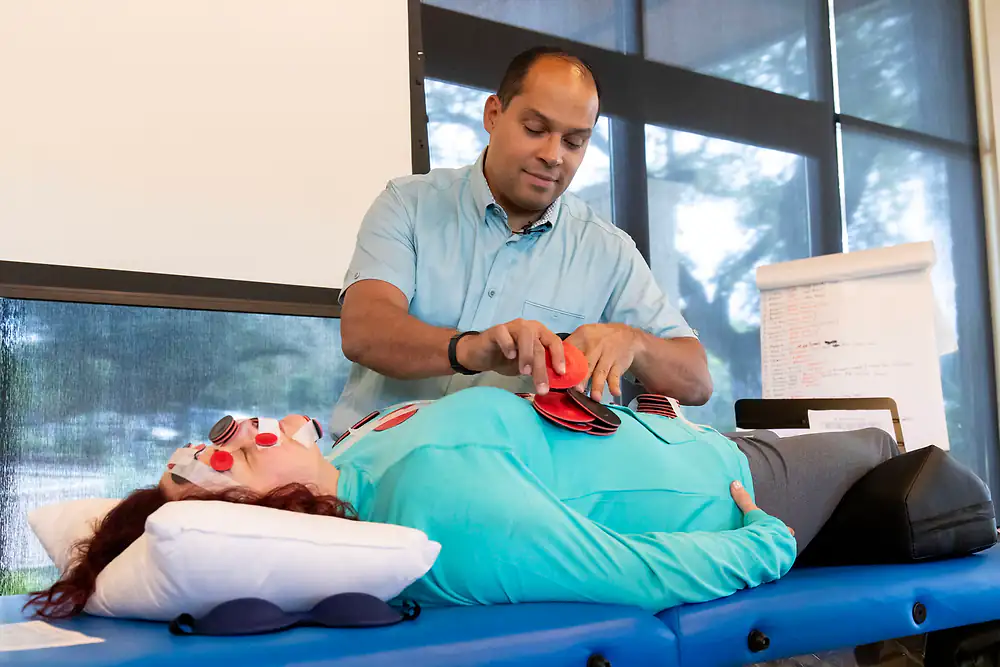
Important safety note: Biomagnetism is a wellness add-on and is not a substitute for medical diagnosis, treatment, or emergency care. Always work with a licensed clinician for any health condition before starting, stopping, or changing any therapy.
Do not use biomagnetism if you have a pacemaker, implanted defibrillator, cochlear implant, insulin pump, or other electronic medical device. If pregnant, speak with your OB-GYN first.
This guide describes general session flow for educational purposes. It is not instructions for self-treatment of any disease.
What happens in a biomagnetism session? Plain summary
Clear view on therapy session guide: This page covers what happens in a biomagnetism session - training partner content only.
Clear view on therapy session guide: /biomagnetism-therapy-session-guide serves as the primary training resource for "what happens in a biomagnetism session walkthrough from intake through follow-up." Use this page for the full visit narrative. Shorter answers (first-session prep, duration only) live on their supporting pages.
A quick note on therapy session guide: /biomagnetism-therapy-session-guide keeps what happens in a biomagnetism session walkthrough from intake through follow-up in a wellness-education frame - not doctor advice. Or licensing.
Good to know about therapy session guide: A typical session lasts about an hour. You stay dressed. Magnets rest on set points for several minutes at a time.
Keep this in mind for therapy session guide: The provider should ask about your health history and devices in your body before starting.
Worth a read if you study therapy session guide: Sessions are for wellness support only. They do not replace exams, labs, or prescriptions from your doctor.
Study note on therapy session guide: You can pause or stop at any time. Fees for private visits are set by each provider, not by this website.
Worth noting about therapy session guide: /biomagnetism-therapy-session-guide explains therapy session guide in plain words so readers learn safety limits before client biomagnetism.
Short version for therapy session guide: Research context for therapy session guide on /biomagnetism-therapy-session-guide supports training decisions - not self-finding or skipped medical care.
Clear view on therapy session guide: Certificate limits on /biomagnetism-therapy-session-guide: therapy session guide grads must not imply doctor status.
Doctor-update and ER red-flag standards for therapy session guide: disclaimer hub.
- Worth noting about therapy session guide: No needles and no drugs are used in a standard session.
- Short version for therapy session guide: Red-flag symptoms should go to urgent or emergency care first.
Expect a clear wellness visit with screening, magnet pairs for timed segments (often 15 - 30 minutes each). And clear send-out rules - not finding or right to prescribe.
Who is this session guide for, and when should you use it?
Learners and curious clients setting expectations - not DIY disease care.
- Audience: biomagnetism students, future practitioners, and first-time clients.
- Industry / use case: complementary wellness sessions using opposite-pole magnet pairs taught in Dr. Luis Garcia training.
- When to use: before your first visit, before listing sessions publicly, or while comparing training vs. receiving care.
- When not to use: as a medical protocol for fever, emergency symptoms, or self-diagnosis.
What happens in a typical biomagnetism therapy session?
Five stages - intake, assessment, pair work, rest, aftercare - taught as wellness education flow.
- 1
Intake and consent
The provider reviews health history and safety rules (pacemaker, pregnancy, implants). They set clear hopes - wellness support, not medical treatment.
- 2
Assessment
A trained provider may use muscle tests from their course to pick magnet points for that visit's wellness focus.
- 3
Pair placement
Magnet pairs go on set points for a planned time - often 15 to 30 minutes per step.
- 4
Rest and watch
You rest while magnets stay in place. The provider checks comfort and removes magnets if you feel worse.
- 5
Aftercare
Drink water, rest, and book follow-up if needed. Serious symptoms always go to a doctor.
Watch out: new students sometimes skip documenting consent language and then freeze when a client asks "is this medical treatment?" Write the wellness-only line into intake before your first public session.
Session vs training vs medical care - which path fits?
Use this side-by-side when deciding whether to book a client session, join in training, or see a doctor first.
| Path | Best for | Not for |
|---|---|---|
| Client session | Experiencing pair-protocol flow with a trained provider | Emergency symptoms or replacing doctor visits |
| Formal training | Mastering comprehensive anatomical pair placement, kinesiology scanning sequence, and intake ethics | Instant medical license or cure claims |
| Licensed medical care | Diagnosis, labs, prescriptions, emergencies | Optional wellness add-ons only |
- What is biomagnetism therapy? - basics before session details.
- Safety & contraindications - screening before magnets.
- Practitioner session checklist - printable habits for providers.
How do cost and booking usually work?
Private session fees are set by individual pros - not by this affiliate site. Training price is separate.
To learn the official training price (online certification with partner discount), use course cost guide and partner enrollment.
- Hands-off: magnets rest on clothes or skin as taught - no needles.
- Scope: wellness only; providers send medical red flags to a doctor.
- Training: pair maps and ethics come from a course - not random blog tips.
Common questions
How long is a typical biomagnetism session?
Many protocols use 15 - 30 minutes per segment with magnets in place, but total appointment time varies by practitioner and goals. Certification training teaches timing as part of pair protocols - not as a one-size-fits-all medical treatment.
Does a session replace a doctor visit?
No. Biomagnetism is a wellness complementary method. Diagnosis, prescriptions, and emergency care belong with licensed clinicians.
Where can I learn to conduct sessions professionally?
Dr. Luis Garcia's ENHANCE VITAL ENERGY / Level I & II pathway covers pairs, safety, and ethics. Partner enrollment with $50 - $59 savings is on /training-online.
Who is this session guide for?
Students and future practitioners learning session flow, plus curious clients who want realistic expectations - not DIY self-treatment instructions.