Why do success stories live on their own URL?
Short answer: narrative write-ups need room for before/after timelines and practice economics — they do not fit next to star ratings on /community/reviews. Video versions live on /media/videos; short quotes stay on /community/testimonials.
How should you read a success story before enrolling?
Short answer: treat each story as one person's journey under training or practice conditions — note skills gained and schedule changes, not disease cure proof. Confirm scope on /faq and biomagnetism ethics before partner enrollment.
What should you read after a success story?
Short answer: compare worth-it factors on /dr-garcia-biomagnetism-review, check live totals on /biomagnetism-course-cost, and compare online vs seminar on online vs in-person guide.
Credible sources for how to interpret success stories
Short answer: stories here are editorial social proof. pair them with independent framing on wellness training. not as medical evidence.
- NIH NCCIH — Complementary health approaches — Source framing for complementary wellness education — not validation of individual story outcomes or medical claims.
- Dr. Luis Garcia program site — community success stories — official program context for this partner community success stories reference (/community/success-stories).
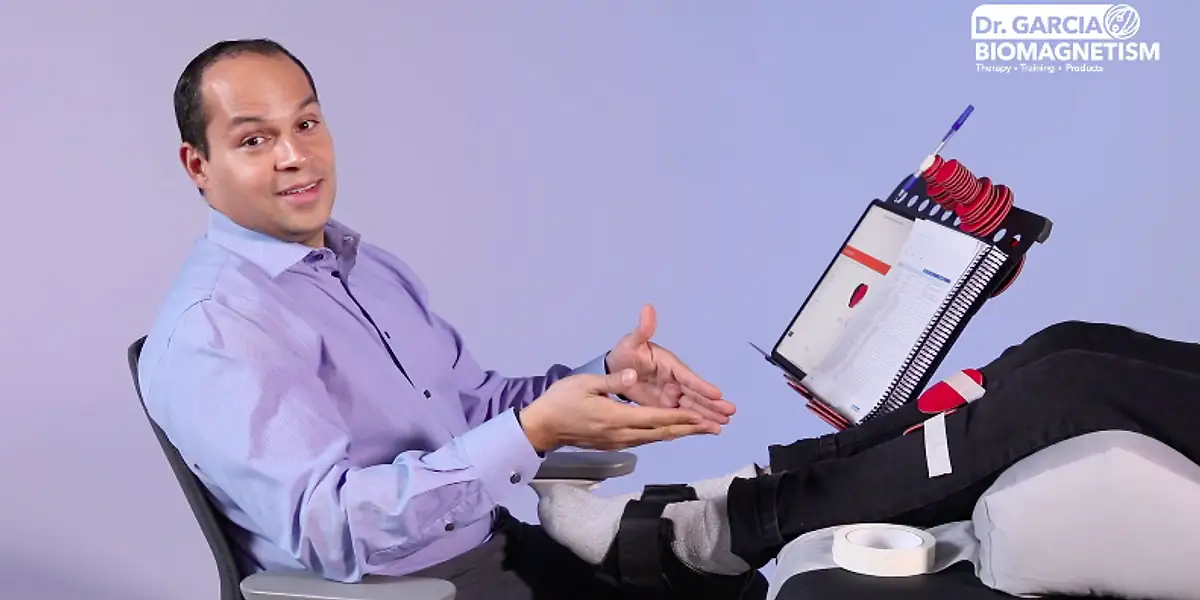
What training experience stories are featured?
Short answer: featured writeups cover study habits, curriculum clarity, certification scope, and professional-development fit after Dr. Luis Garcia training—educational social proof about the course, not clinical trial results or disease cures.
Clearer Module Path After Level I & II
“I enrolled to understand biomagnetic pairs and muscle-testing flow without guessing. The structured modules and pair maps made study sessions predictable. I finished the core path feeling confident about the curriculum—not about replacing medical care.”
Training takeaways
- Completed Level I & II study path on schedule
- Used pair maps and study notes in weekly practice drills
- Clearer understanding of session flow taught in the course
- Support forum answers helped resolve study questions quickly
Seminar Format Clarified Online vs In-Person
“I compared online and seminar options before enrolling. Reading training-focused stories and the certification scope page helped me pick the online path. The course materials matched what I needed for professional development hours in my wellness practice.”
Training takeaways
- Chose online format with a documented study plan
- Understood certificate = course completion, not a medical license
- Applied classroom examples to practice drills (education only)
- Referred peers to the cost and certification explainers before checkout
Practice Toolkit After Certification Study
“Adding biomagnetism training expanded how I organize complementary education for clients who ask about magnet-pair methods. My takeaway was curriculum depth and teaching clarity—not disease outcome promises.”
Training takeaways
- Integrated course pair maps into professional study notes
- Improved confidence explaining training scope and limits
- Used ethics and safety modules before any client education talk
- Pointed curious peers to reviews and the official enrollment path
Support Response Made Self-Paced Study Workable
“As a beginner I worried about falling behind. The Q&A forum and module checklists kept me moving. I measure success as finishing modules and understanding safety limits—not medical results.”
Training takeaways
- Finished beginner modules without skipping safety lessons
- Got study questions answered in the course community
- Used the certification guide to set realistic credential expectations
- Bookmarked cost and refund explainers before paying
Curriculum Depth vs Marketing Claims
“I wanted an honest read on what the program teaches. Training stories about instruction quality and pair volume helped more than health testimonials. I enrolled for education, then verified live tuition on the cost page.”
Training takeaways
- Compared syllabus depth before partner checkout
- Confirmed pair count and access window in program materials
- Kept medical questions with licensed clinicians
- Shared the training review page with a colleague deciding format
These narratives describe training experience and professional-development fit—not verified medical outcomes.